Chief Robert Louie: Business depends on clear rights; Premier Eby is risking B.C.’s economy by ignoring them
The Westbank First Nation is a national leader in welcoming and developing business in our territory. We depend on it. For over 20 years we have proven that when done right, it enriches the lives of our people and everyone in B.C.
So, when Premier Eby misrepresents what B.C.’s Declaration on the Rights of Indigenous Peoples Act (DRIPA) does, and frames reconciliation as an obstacle to investment, he harms us. He harms every First Nation working to build an economy on its own terms, and he harms the investors and partners who depend on legal certainty to invest capital, putting jobs and economic activity at risk.
Since our self-government agreement came into force in 2005, we have built one of Canada’s most successful Indigenous economies. Today, over 600 businesses operate on Westbank Lands and more than 11,000 non-members live here.
Our assessed property value sits at roughly $4 billion — up from $1.5 billion a decade ago. Our lands generate $125 million in annual taxes for all levels of government, and thousands of people work for businesses operated on Westbank Lands. We own shopping centres, housing developments, forestry operations, wind energy projects and a renewable gas venture. A significant portion of the Okanagan economy runs on activity generated in our area of responsibility within the syilx Okanagan Nation.
None of this happened by accident. It happened because we had clear rules, clear rights and clear relationships. When partners know who holds authority, and know it will be respected, they commit capital. Certainty secures deals. Ambiguity kills them.
Right now, David Eby’s government is conducting wholly inadequate consultation with Westbank over the proposed Big White ski resort expansion — a major development with significant impacts on the environment and our Aboriginal rights and title. This is a failure that lies with the Crown and is exactly what the premier’s rhetoric enables: a government that treats its own consultation obligations as optional, opening the door to legal challenges.
Now, instead of consent and certainty, a major project and proponent in the Okanagan faces legal risk and uncertainty, all because B.C. is failing to respect our rights under UNDRIP and our good governance obligations as environmental stewards.
Across B.C., the evidence runs in one direction: Consent, properly obtained, means fewer injunctions and faster timelines.
For example, the Haisla Nation owns 50.1 per cent of Cedar LNG — a $4-billion project under construction near Kitimat. The Squamish Nation controls the Sen̓áḵw development: 6,000 rental units in Vancouver with total lifetime revenues projected at $16 billion to $20 billion.
Neither deal happened despite Indigenous rights. They happened because of them. Lawrence Schembri, former deputy governor of the Bank of Canada, concluded in a Fraser Institute study that UNDRIP’s consent requirement strengthens property rights and cuts transaction costs. In our case, decisions on the Big White proposal, which has been continuing since 2020, could have potentially proceeded more quickly if our consent had been properly sought and obtained. It’s a lesson the province doesn’t appear to have learned yet.
The recent Gitxaała decision declared the province’s mineral-staking system violated DRIPA legislation because it allowed third parties to claim rights on our territories without speaking to us.
Rather than facing up to his government’s shortcomings by revising the system, Eby attacked the courts. He said they had put themselves “in the driver’s seat” of reconciliation, but ensuring governments follow their own laws is the courts simply doing their job of oversight.
Amending DRIPA to restrict that oversight, as the premier has now pledged, will not end disputes. In fact, they could worsen as First Nations are forced to pursue expensive Section 35 constitutional litigation — the same cycle of litigation that consumed a generation after Delgamuukw in 1997, and cost everyone dearly. It shouldn’t be repeated.
What Westbank needs is what good business partners require: a predictable legal framework. DRIPA provides that. If reconciliation can be paused or avoided whenever it becomes politically uncomfortable, it isn’t reconciliation, it’s merely lip service.
To every chamber of commerce, every resort operator, every energy company, every developer who has called Westbank a good partner: Please stand up.
Tell the premier that you understand what makes the Okanagan economy work. Tell your MLA that weakening DRIPA jeopardizes investment — it doesn’t protect it. The syilx Peoples have been here for thousands of years, and we will be here for thousands more. What we want is to keep building, together, on solid legal ground.
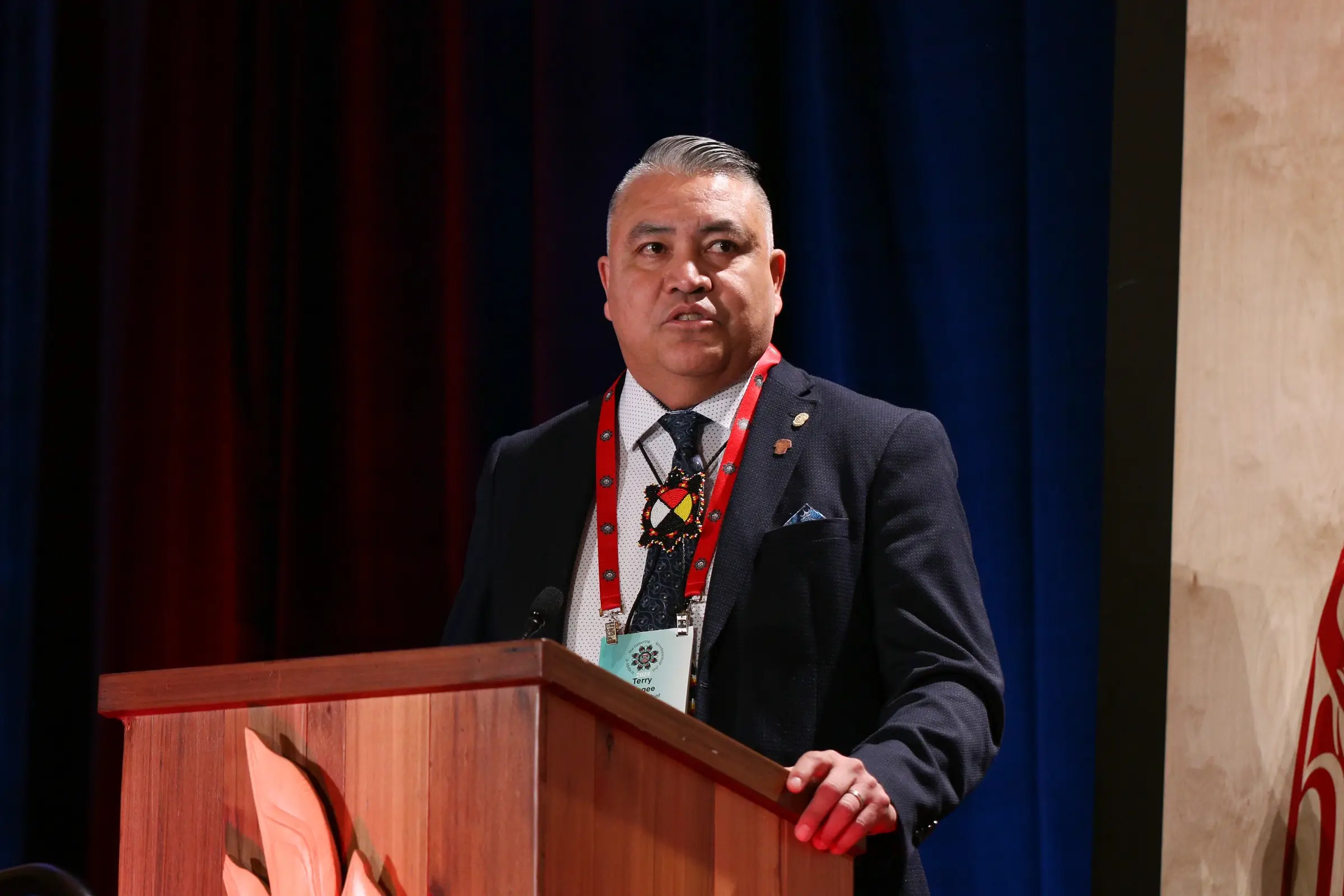
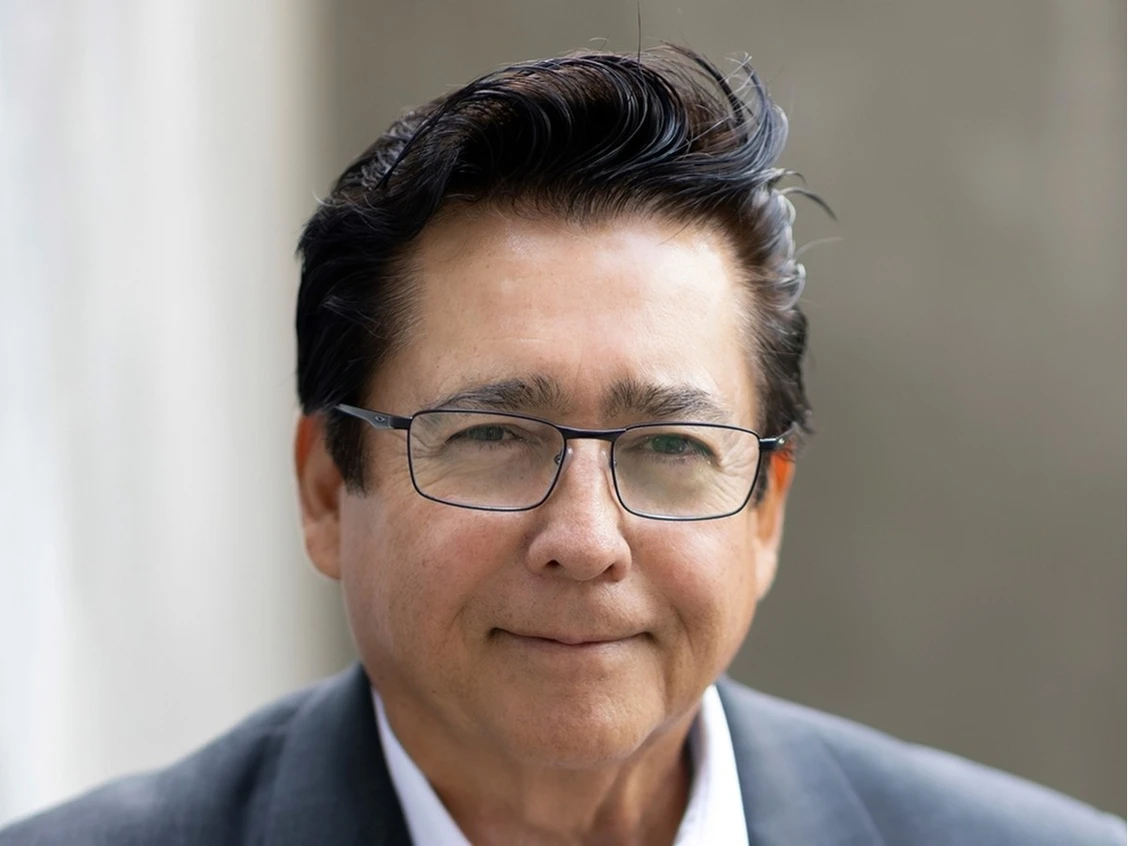
Robert Louie is chief of the Westbank First Nation and chairman of the First Nations Lands Advisory Board. He’s an officer of the Order of Canada and recipient of the Order of B.C.