February 5, 2026
Declaration Act is Not a Threat to Private Property: Clarifying False Linkages in the Media
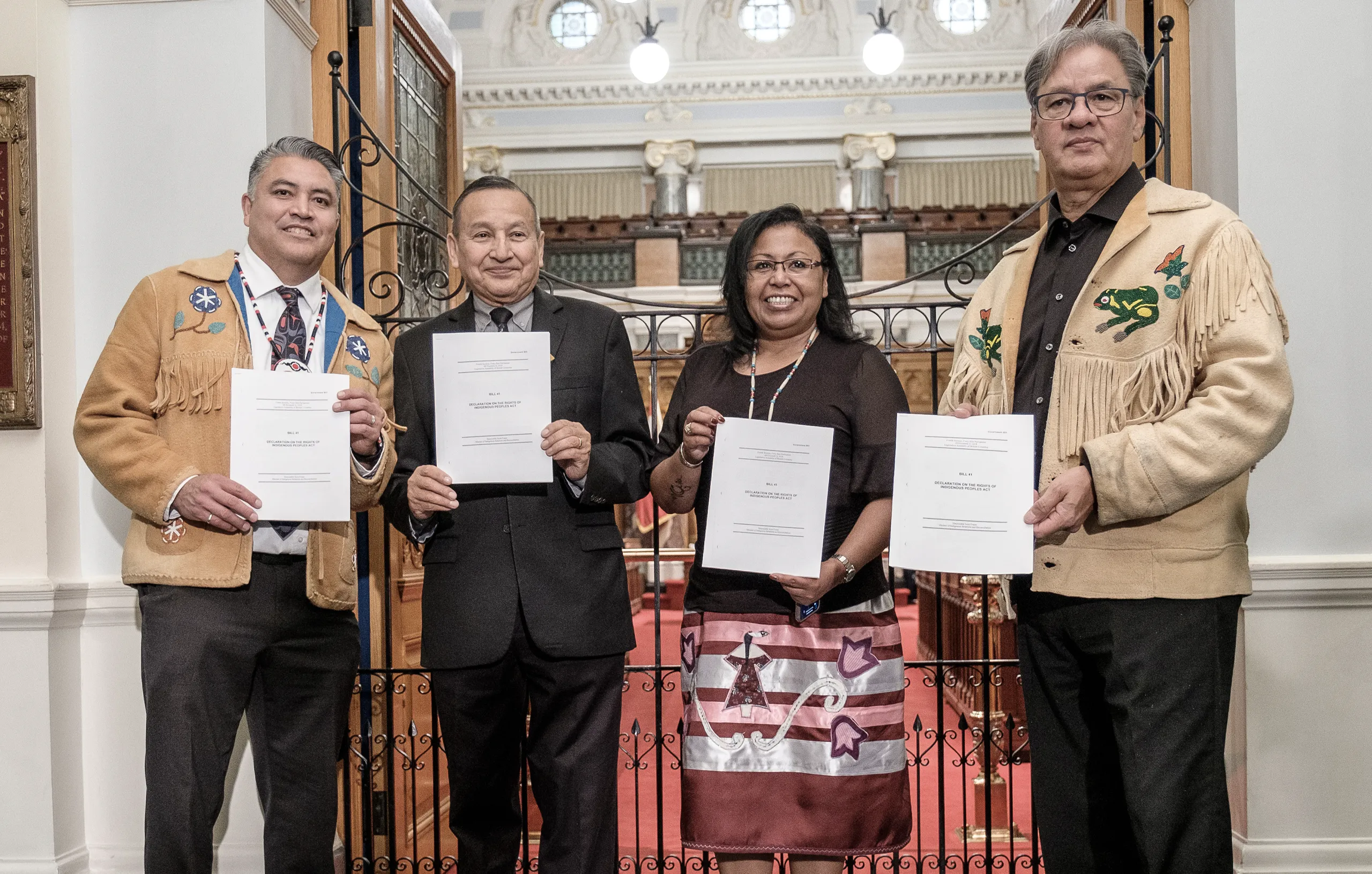
(xʷməθkʷəy̓əm (Musqueam), Sḵwx̱wú7mesh (Squamish) and səlilwətaɬ (Tsleil-Waututh)/Vancouver, B.C.) The First Nations Leadership Council (FNLC) is deeply concerned about the confusion that has been created by recent media reporting and public commentary that incorrectly link the B.C. Supreme Court’s findings on Aboriginal title in the Cowichan Tribes decision with the
Declaration on the Rights of Indigenous Peoples Act (Declaration Act).
In the Cowichan Tribes decision the court declared, for the first time, Aboriginal is title protected by section 35 of the Constitution Act, 1982 over a partial claim area that includes privately held fee simple lands. In response, multiple sources have suggested that the Declaration Act must be amended to protect private property interests in B.C. This is categorically incorrect. The Declaration Act had nothing to do with the declarations made in the Cowichan Tribes decision.
Aboriginal title is not a new concept, nor one that was created by provincial legislation such as the Declaration Act. The Supreme Court of Canada recognized the existence of Aboriginal title in 1973 in Calder v. British Columbia. In 1997, it clarified that Aboriginal title is a constitutionally protected Aboriginal right to the land itself in Delgamuukw v. British Columbia. These historic cases were prior to adoption of the United Nations Declaration on the Rights of Indigenous Peoples (UN Declaration), and decades before the Province enacted the Declaration Act.
It is undisputed that B.C. was largely settled without the Crown making any attempt to enter treaties, agreements, or other constructive arrangements with First Nations with respect to their lands, territories, and resources pursuant to the requirements of British colonial law. The tension that persists between the co-existence of Aboriginal title and other land ownership in B.C. is a direct result of this inaction and the Province’s refusal to adequately address the consequences of that inaction over the last century and a half. With or without the Declaration Act, unresolved questions will remain regarding the relationship between Aboriginal title and Crown granted tenures.
The Declaration Act is enabling legislation specifically designed to be a framework to address the uncertainties caused by the unresolved work of Confederation. The development and unanimous passing of the Declaration Act continues to provide an unprecedented opportunity for First Nations and all who call B.C. home. Substantive implementation of the Declaration Act – unamended – will enable us to move forward toward a better shared future in B.C.
-30-
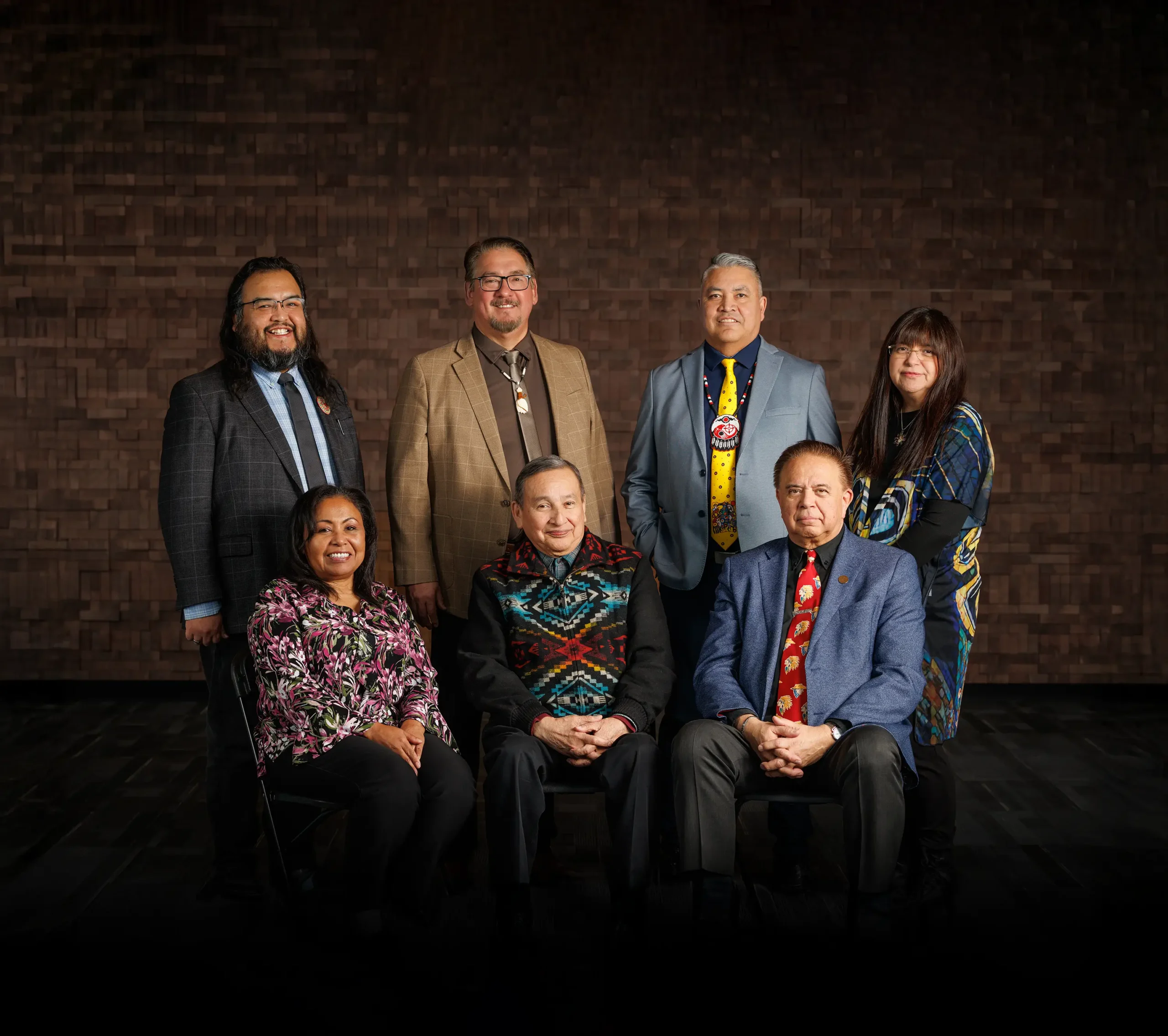
The First Nations Leadership Council is comprised of the political executives of the BC Assembly of First Nations (BCAFN), First Nations Summit (FNS), and the Union of BC Indian Chiefs (UBCIC).
For further information, contact:
Colin Braker, FNS Communications Director, Phone: 604-328-4094
Stephen Mussell, UBCIC legal counsel, Phone: 604.558.8041; email: stephen@mandellpinder.com
Annette Schroeter, BCAFN Communications Officer: 778-281-1655